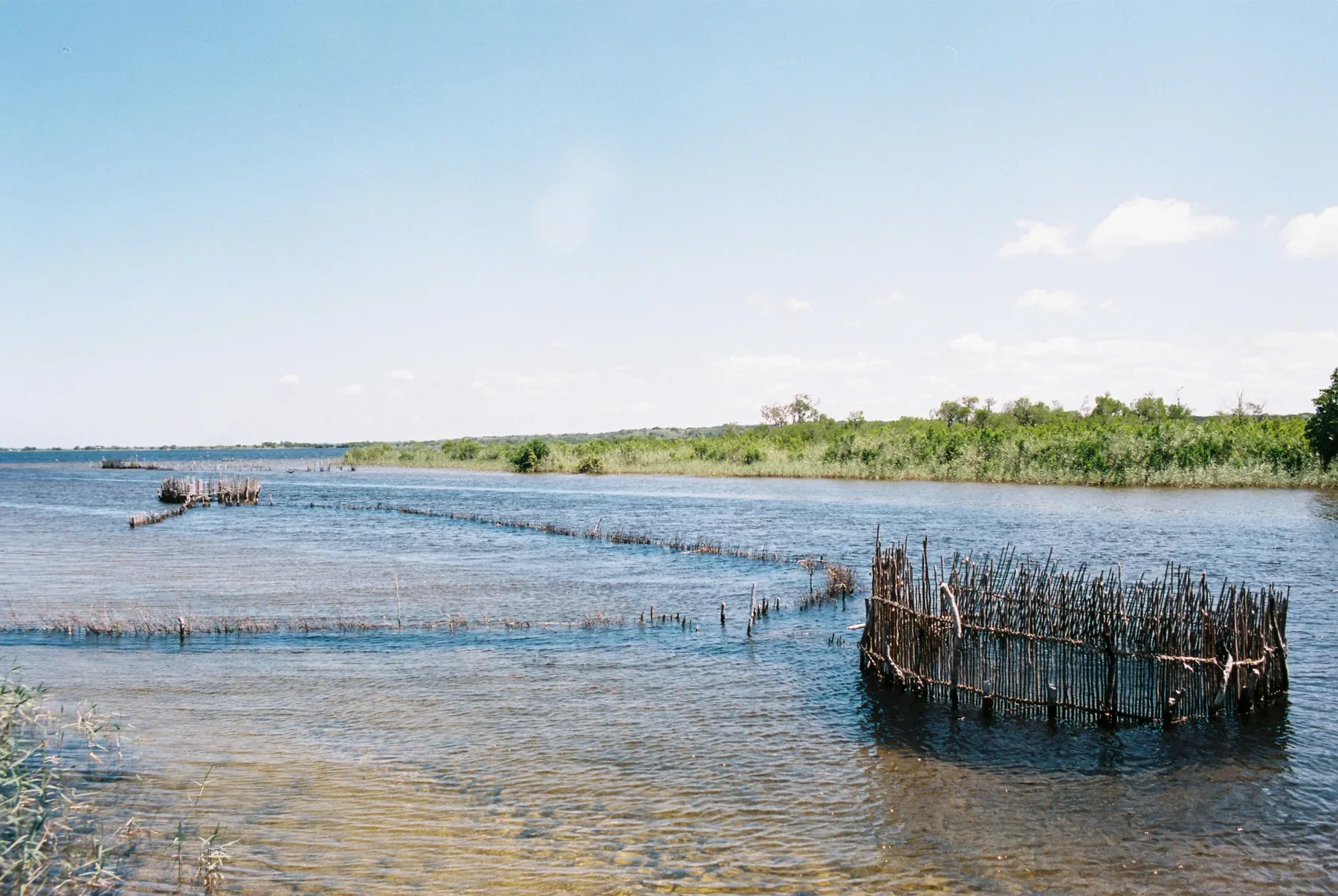
Traditional fish kraals in the Kosi lake system in northern Maputaland

KOSI BAY → LAKE SIBAYA · MAPUTALAND

The Lakes

Two very different bodies of water shape northern Maputaland. In the far north, the Kosi lakes: a chain of four, linked by channels, running down to an estuary and the sea. Farther south, Lake Sibaya: one vast freshwater lake held behind the dunes, with no river in and no river out.

Geography

Kosi and Lake Sibaya are separate systems. Kosi is connected, tidal at its lower end and bound up with centuries of fishing culture. Sibaya is landlocked, fed by rain and groundwater, and on a different scale altogether.

Get your bearings

Kosi in the north. Lake Sibaya farther south.

The Kosi lakes sit close to Manguzi and the Mozambique border, stepping down towards the estuary and the Indian Ocean through channels, swamp and forest.

Lake Sibaya lies farther south behind the coastal dunes, roughly north of Mbazwana. It is its own freshwater system and its own destination, not the fifth Kosi lake.

Lake Sibaya lies farther south behind the coastal dunes, roughly north of Mbazwana. It is its own freshwater system and its own destination, not the fifth Kosi lake.

Lake Sibaya lies farther south behind the coastal dunes, roughly north of Mbazwana. It is a separate freshwater system and a destination in its own right rather than another Kosi lake.

KosiLinked lakes · estuary · fish kraals
SibayaLandlocked freshwater lake
Best gatewaysManguzi · Mbazwana

The lake systems

The Kosi lake system and Lake Sibaya

This is the single most useful thing to understand before you plan: Kosi is a journey through a system. Sibaya is one enormous lake and the wetland around it.

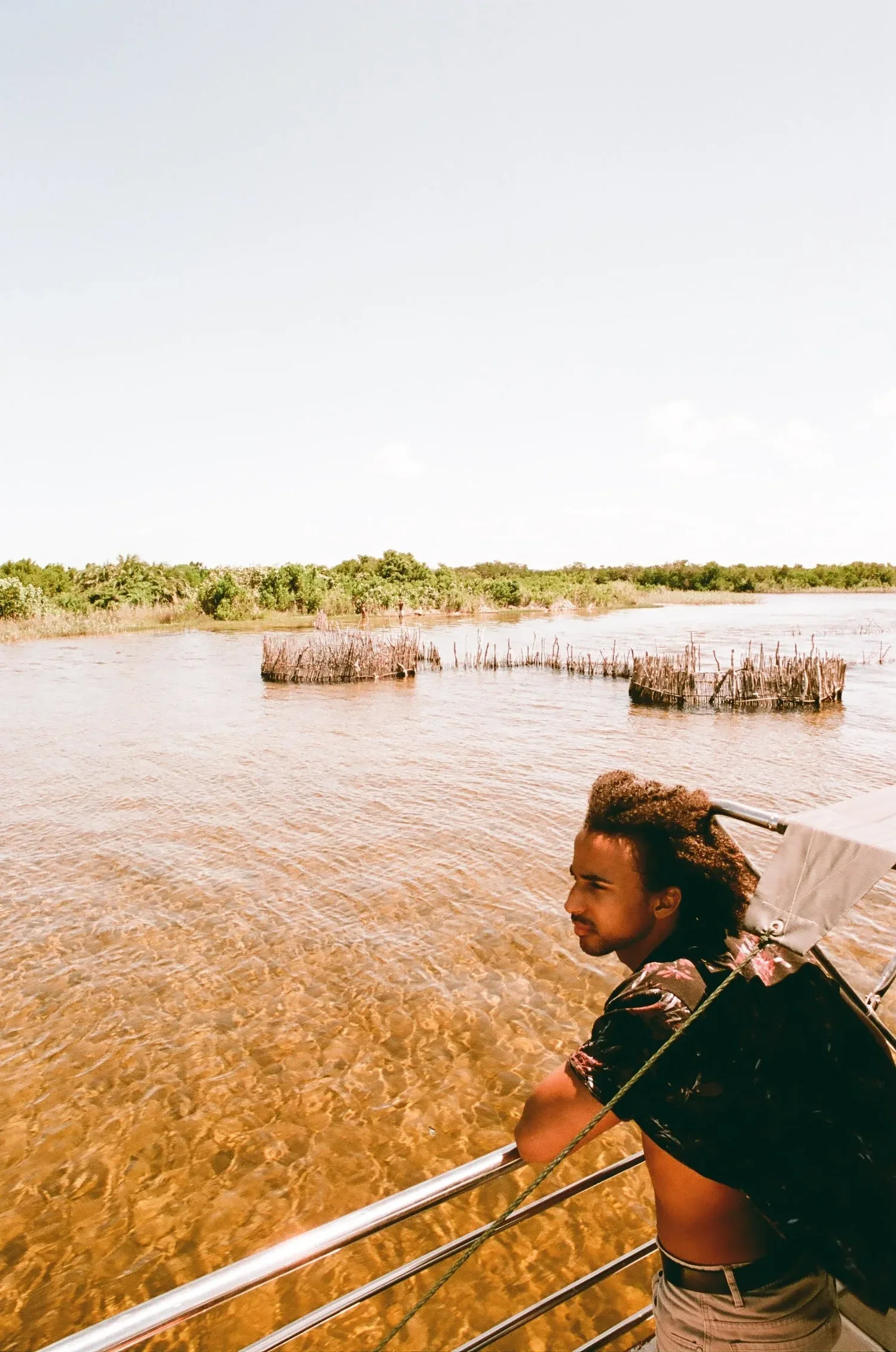
Traditional fish traps in the Kosi lake system
Kosi lake system

The Kosi lake system

Four main lakes connect through channels before the system reaches the estuary and the Indian Ocean. Along the way there is swamp and coastal forest, Raphia palms, hippos, crocodiles, fish and more than 250 recorded bird species.

It is also a lived cultural landscape. Thonga families have worked reed fish kraals here for centuries, and a boat trip through the system is the clearest way to see how ecology and everyday life overlap.
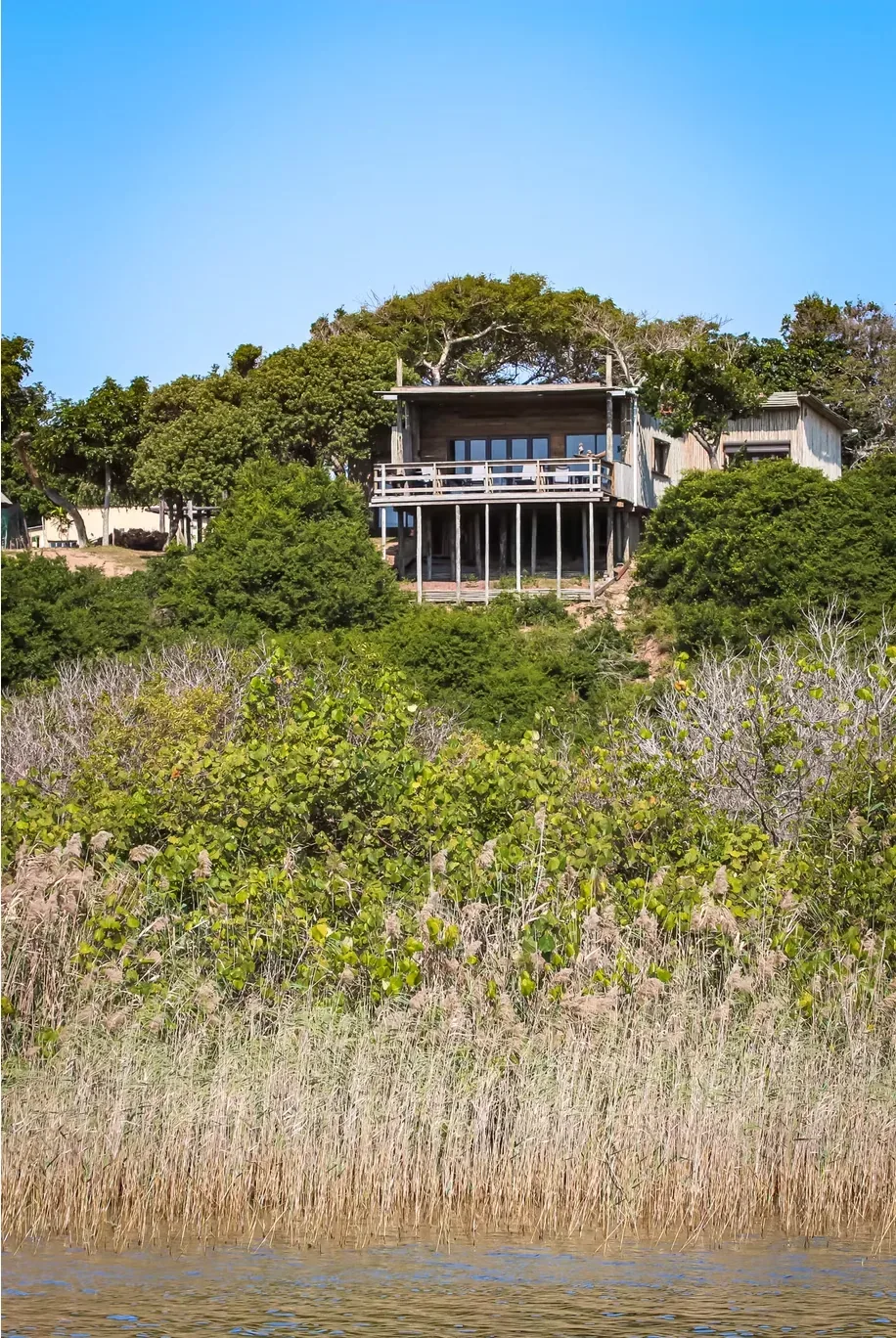
Freshwater lake landscape in Maputaland near Lake Sibaya
Lake Sibaya

Lake Sibaya

Lake Sibaya is the largest natural freshwater lake in southern Africa and a Ramsar Wetland of International Importance. It is fed by runoff and groundwater rather than rivers, with forested coastal dunes between it and the sea.

The lake holds KwaZulu-Natal's second-largest hippo and crocodile population and is an important breeding, feeding and roosting area for birds. Paddle it with a guide. Don't treat it as a swimming lake.

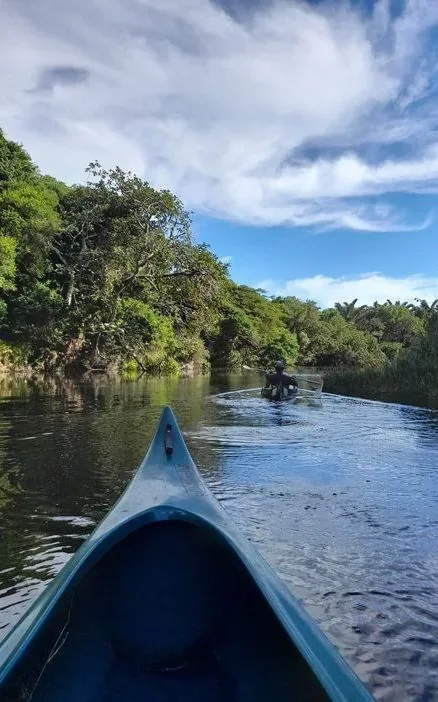
Guided canoeing through the waterways of the Kosi lake system

Birds & wildlife

Birding around Kosi and Lake Sibaya

Kosi's mix of open water, channels, Raphia palms and forest gives a completely different birding day from Lake Sibaya's broad freshwater shoreline and dune-forest edge.

Around Sibaya, South African Tourism highlights Pel's fishing-owl, pygmy goose, bat hawk, rufous-bellied heron and Woodward's batis. Around Kosi, the palm-nut vulture is the bird most strongly tied to the palm-rich wetland.

Palm-nut vultureKosi · palms
Pel's fishing-owlSibaya · wetland
Pygmy gooseSibaya · open water
Rufous-bellied heronWetland edge
Woodward's batisDune forest
African fish eagleBoth lake landscapes

When to come

When to visit the lakes

Lake trips run all year. Heat, rain and the coast's wildlife calendar change what you might pair them with.

Nov–Mar Kosi + turtle season

Hot and humid, but the classic time to combine days on the Kosi lakes with loggerhead and leatherback turtle activity on the nearby coast.

Apr–Oct Lake Sibaya · walking

Cooler and drier, which makes Lake Sibaya, birding and longer walks more comfortable. South African Tourism recommends this period for Sibaya specifically.

Year-round Kosi boats & canoeing

Guided boat trips, canoeing and fish-kraal visits run around the Kosi system, subject to water, weather and operator conditions.

Where to stay around Kosi and Lake Sibaya Birding

Both systems hold resident wetland and forest birds throughout the year. A good guide matters more than picking the perfect date.

Stay & explore

Where to stay around Kosi and Lake Sibaya

Kosi has the wider range of places to stay. Around Lake Sibaya, access usually comes through a lodge or guide on the coastal side.

Who can take you out

Boat, paddle, walk, or let someone build the whole day

The best lake experiences are guided. Water levels, wildlife, boat rules and access are local knowledge, not something to improvise from a map app.

Living heritage

Fish kraals in the Kosi lake system

The traditional fish kraals, known locally as utshwayelo, are the defining human feature of the Kosi system. iSimangaliso describes a fishing tradition here that goes back more than seven centuries.

The point is not to photograph the structures. A guided boat trip gives you the context: how the traps work, how they are inherited and why this water has supported wildlife and families for generations.

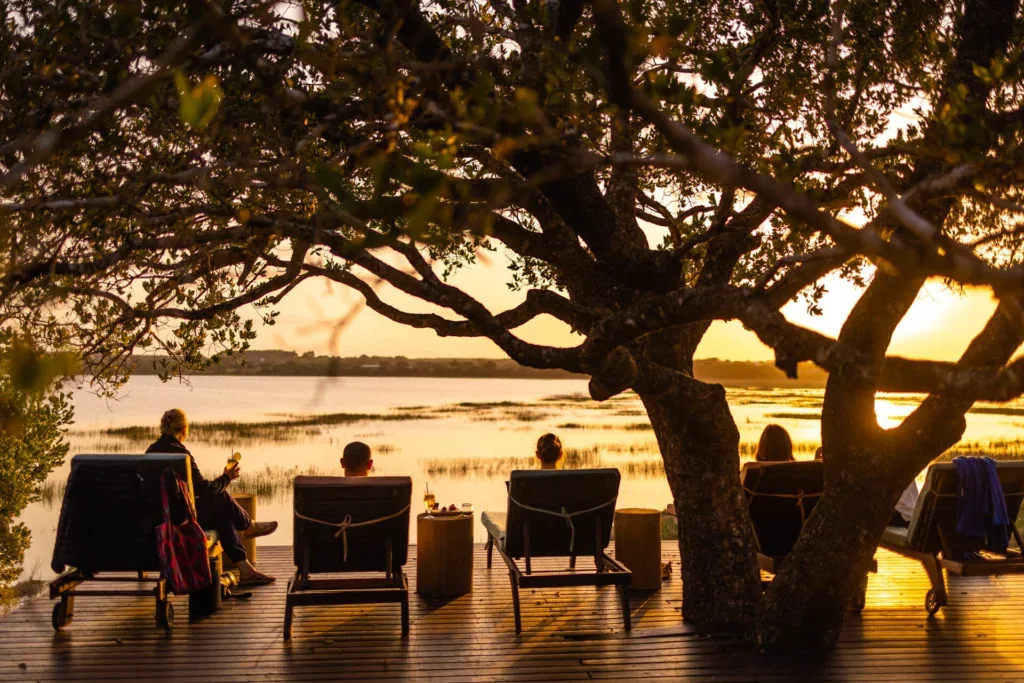
Guests watching sunset over one of the Kosi lakes

Getting there

Getting to Kosi and Lake Sibaya

The lakes are not one roadside attraction. Plan access around the specific system and the specific place you're staying.

Kosi: Manguzi is the service town and northern gateway. Several lodges are reachable from the main road, but the lake, estuary and beach sections go to sand quickly. Ask your accommodation whether the final approach needs a 4x4 or a transfer.

Lake Sibaya: the lake lies north of Mbazwana and inland from the Coastal Forest. Access varies enormously around its shoreline. For most visitors the sensible route is through a lodge or licensed guide rather than hunting for a public lakeshore on your own.

KOSI GATEWAY · SIBAYA GATEWAY · VEHICLE · WATER SAFETY

Plan your trip

Continue to the coast or to Tembe

Kosi pairs naturally with the border coast and Tembe. Lake Sibaya pairs naturally with the Coastal Forest and Sodwana. Use the regional map to build it yourself, or let a Visit Maputaland tour-operator member handle the logistics.

Sources: iSimangaliso · Kosi Bay · iSimangaliso · Lake Sibaya · South African Tourism