TEMBE · NDUMO · INLAND MAPUTALAND
Tembe & Wilderness
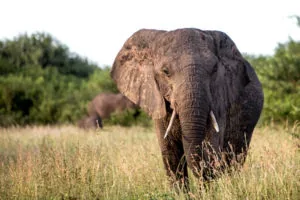
Big-tusker elephants in a forest that grows on sand. Floodplain pans full of birds. And a conservation landscape shaped as much by community land as by reserve fences.
Geography
Inland Maputaland holds Tembe Elephant Park near the Mozambique border and Ndumo Game Reserve farther west on the Pongolo–Usuthu floodplain. They look different, feel different and reward different trips.
Get your bearings
Tembe Elephant Park and Ndumo Game Reserve
Both sit inland where the habitat shifts from dry sand forest and savanna to riverine forest and seasonal floodplain wetland.
Tembe east. Ndumo west.
Tembe Elephant Park lies close to the Mozambique border, roughly 30 km west of Manguzi. Ndumo is farther west, near where the Pongolo and Usuthu rivers meet, where pans and fever-tree forest take over from Tembe's dry sand country.
Tembe lies close to the Mozambique border; Ndumo is farther west on the Pongolo–Usuthu floodplain.
TembeElephants · sand forest · Big Five
NdumoPans · wetlands · 430+ birds
Nearest service townManguzi for Tembe
Two wildernesses
Tembe and Ndumo are different reserves
Tembe for elephants and sand forest, Ndumo for birds and pans. That's too simple, both reserves hold far more than that, but it explains why they sit so well together in one itinerary.
Tembe Elephant Park
Sand forest and elephants
Tembe is a 300 km² reserve on the Mozambique border and the ancestral home of the Tembe people. It was established in 1983 after community land was set aside to protect both the elephants and the people living beside them.
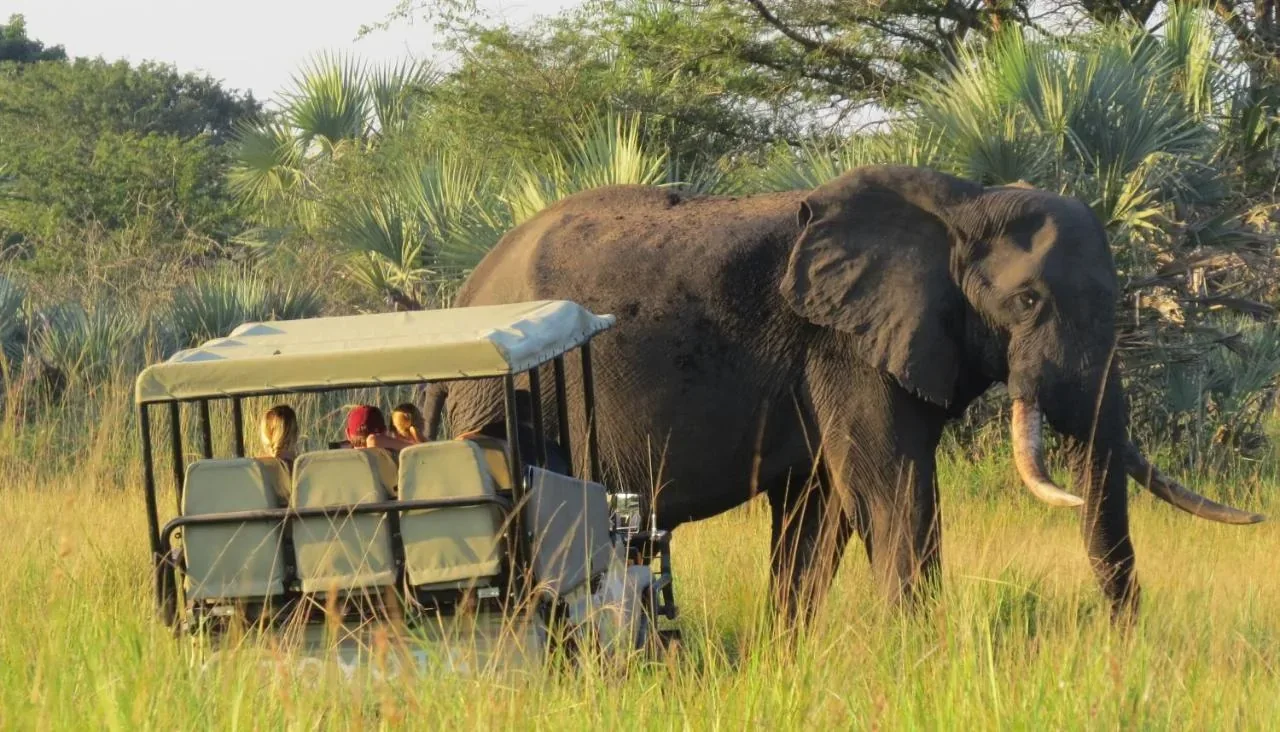
It is Big Five country now, but its real identity is broader: elephants, buffalo, rhino, lion, wild dog, the tiny and secretive suni antelope, and a rare sand-forest ecosystem that makes it feel nothing like a standard savanna safari.
Ndumo Game Reserve
Pans, riverine forest and birding
Ndumo protects just over 10,000 hectares of floodplain pans, fever-tree forest, bushveld and river. More than 430 bird species have been recorded, which puts it among South Africa's classic specialist birding reserves.
The Banzi and Nyamithi pans can hold big numbers of white-faced whistling ducks, African pygmy geese and jacanas, and guided walks take you into habitat you never see from a vehicle.
Habitats & birds
Sand forest at Tembe; wetlands at Ndumo
Tembe's sand forest is one of the things that sets it apart from a generic safari. It supports specialised plants, butterflies, birds and small mammals alongside the animals everyone comes for.
At Ndumo the birding shifts again. Pans, riverine forest and wetland edge make it one of the richest bird sites in the country. A serious birder can justify the whole trip for Ndumo alone.
African broadbillForest · localised
Pink-throated twinspotSand forest
Neergaard's sunbirdMaputaland specialist
African pygmy gooseNdumo pans
Pel's fishing-owlRiverine forest
White-faced whistling duckNdumo wetlands
When to come
When to visit Tembe and Ndumo
Inland, the calendar follows rain rather than sea. Winter makes wildlife easier to find. Summer brings heat, green growth, insects and migrant birds.
May–Sep
Game viewing
Cooler, drier months make safari days more comfortable and pull wildlife towards reliable water, improving visibility through the bush.
Oct–Mar
Migrant birds
Heat, rain and an influx of migrant birds. For birders the green season can be the richer one, even when the mammals are harder to see through the vegetation.
Summer rains
Butterflies & smaller life
Warm, wet conditions bring Tembe's transitional habitats to life with insects, amphibians and plant growth. These are the details most safari itineraries skip.
Year-round
Elephants
Tembe's elephants are resident. What changes is the vegetation and the water, not the animals.
Stay & explore
Where to stay around Tembe
The main member stays sit at or near Tembe Elephant Park. Ndumo is a separate westward journey.
Community conservation
Tembe land and community conservation
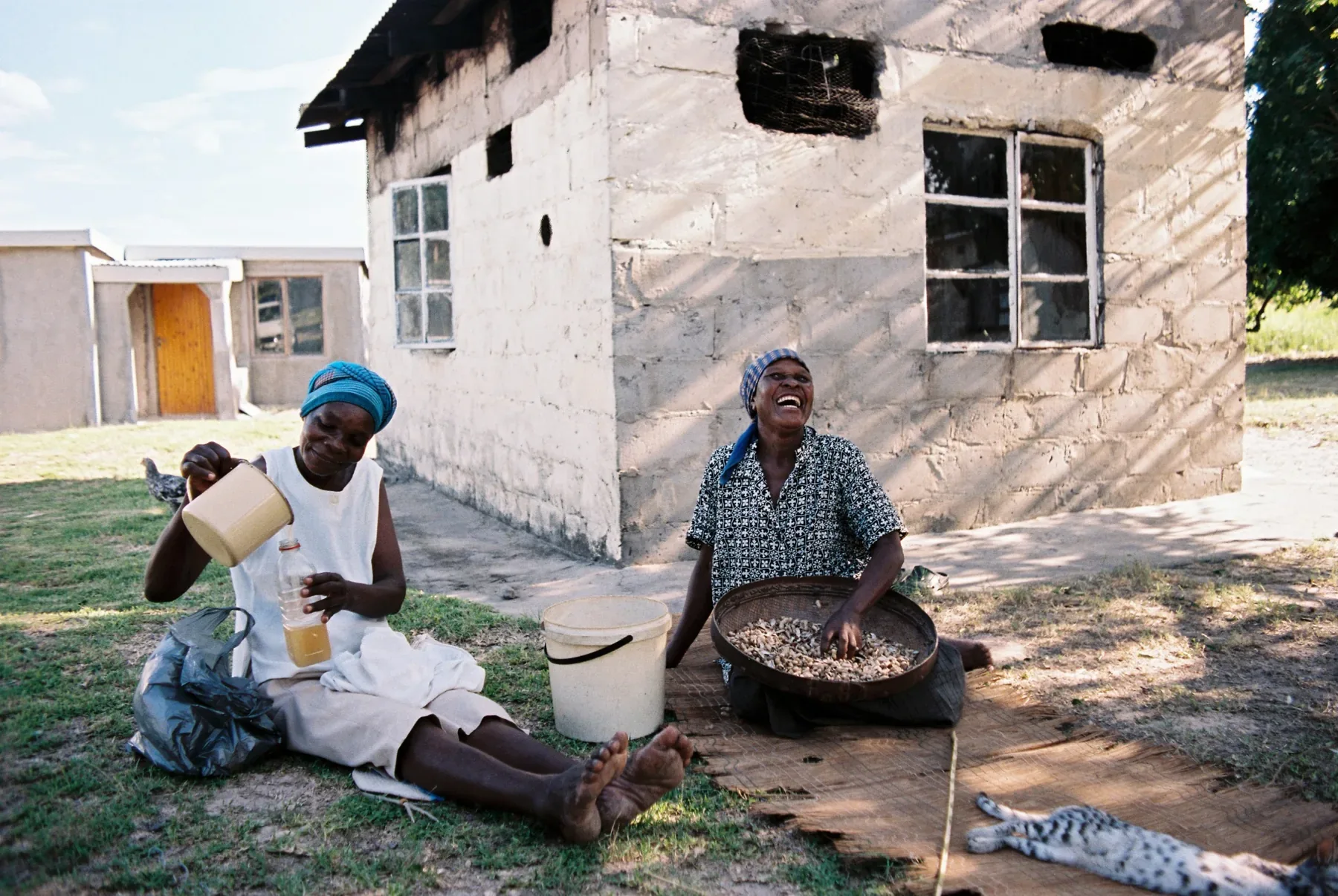
Tembe is not a reserve that happens to have neighbours. It sits on ancestral Tembe land. The Tembe tribe own and manage Tembe Elephant Lodge, and the reserve itself has been shaped by agreements between the traditional authority, the community trust, Ezemvelo KZN Wildlife and conservation partners.
Peace Parks describes Tembe as an important part of the wider Usuthu–Tembe–Futi transfrontier landscape, reconnecting a conservation story that once ran across what are now national borders.
Getting there
Getting to Tembe and Ndumo
Tembe is one of the easiest wilderness areas to pair with Kosi, because the two are close enough to share a trip while feeling completely different.
Tembe Elephant Park lies roughly 30 km west of Manguzi. Royal Thonga currently puts the park at about 4 hours 15 minutes by road from King Shaka International Airport and around 1 hour 45 minutes north of Hluhluwe.
Ndumo lies farther west and should be treated as its own destination, not a quick detour. If birding is the reason you're going, give yourself time for guided walks and the pans rather than driving through.
Road and self-drive rules inside protected areas change. Confirm vehicle requirements, gate times and whether you're self-driving or joining an operator before you leave.
TEMBE GATEWAY · NDUMO · BEST COMBINATION · GUIDES
Plan your trip
Combine Tembe with Kosi; add Ndumo for birding
Tembe pairs naturally with Kosi and the lakes to the east. Serious birders push farther west to Ndumo. Open the regional map to build it yourself, or let a Visit Maputaland tour-operator member connect the safari to the rest of the region.
Sources: Tembe Elephant Park Lodge · Ezemvelo KZN Wildlife · Ndumo · Peace Parks Foundation · Tembe