Fishing & water
The Kosi fish kraals tie inherited knowledge, food, family rights and wetland ecology into one working landscape.
THE PEOPLE · MAPUTALAND
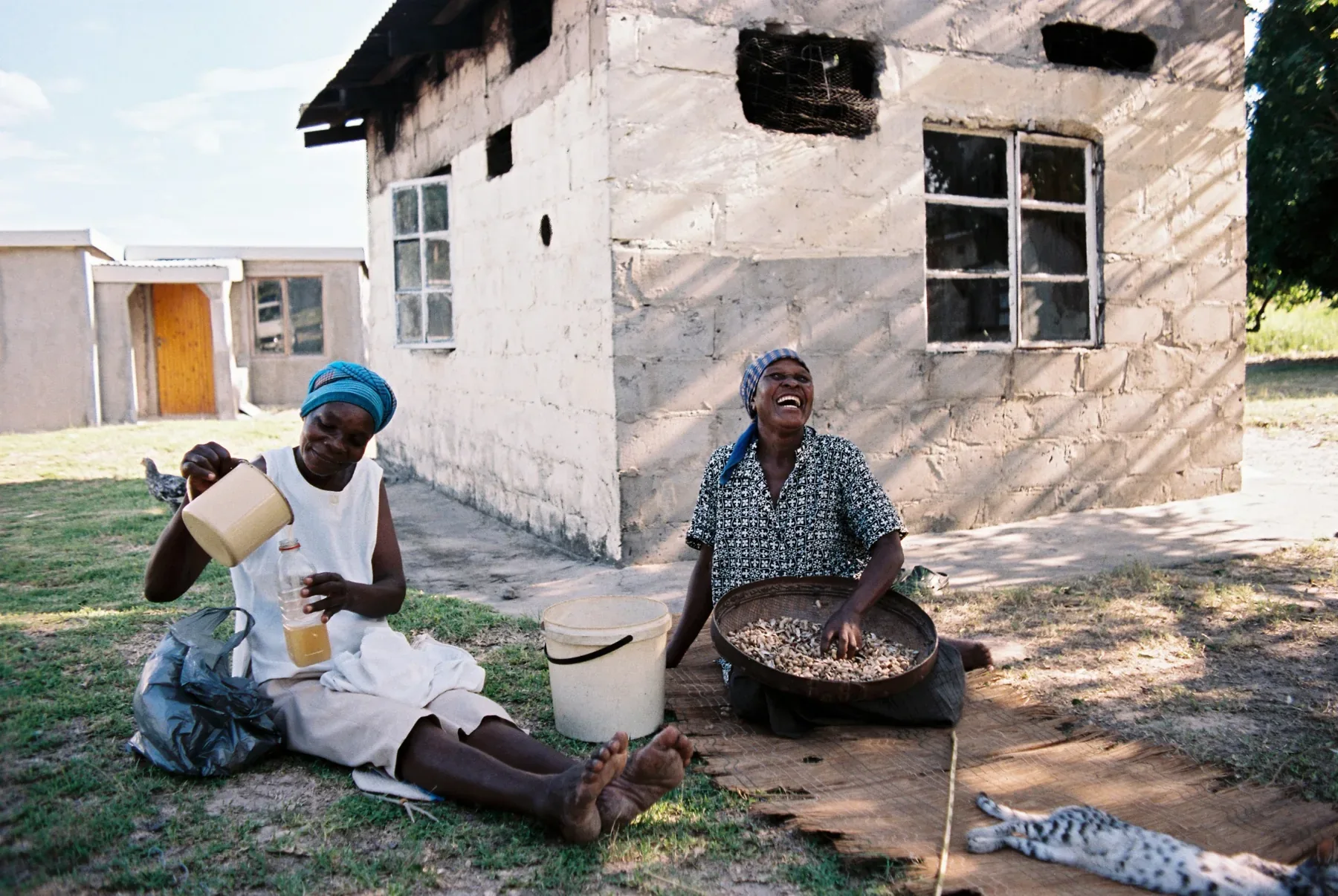
Maputaland is not empty wilderness. Villages, traditional authorities, fishers, guides, conservation workers, lodge teams and families live inside and alongside every landscape visitors come to see.
Villages, fishing rights, conservation jobs, tourism businesses and family life share the same ground as the lakes, forests and protected areas. That's not a footnote to the destination. It's most of what makes it interesting.
Kosi, Mabibi, KwaDapha, eNkovukeni, Tembe and many other communities don't sit outside the destination. Roads, fisheries, tourism businesses, conservation areas and daily life keep crossing over.
The map marks some of the communities and places mentioned on this page, including eNkovukeni, KwaDapha, Mabibi and Tembe.
The best way to learn more is through a local guide, host or community-led experience. Not by turning up in a village unannounced with a camera.
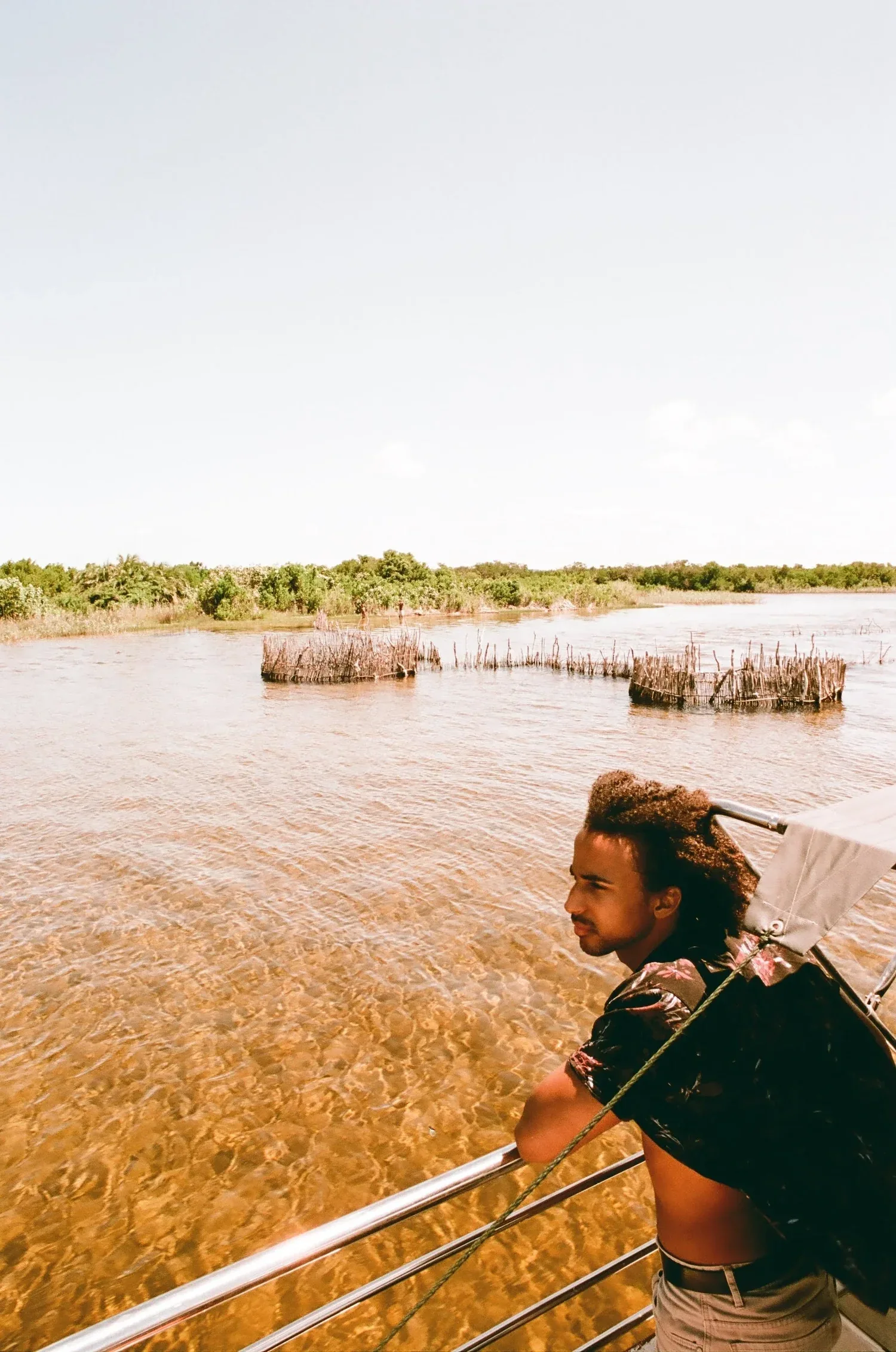
Around Kosi Bay, the reed fish traps known locally as utshwayelo are the clearest living heritage in Maputaland. iSimangaliso describes the Thonga fishing tradition here as more than seven centuries old, with structures and knowledge passed down through generations.
A fish-kraal visit is not a boat ride to an unusual fence. The interesting part is the water: the inherited rights, how the traps work, and why the fishing practice is tied to the health of the lake and estuary.
Go with a guide who can explain the system and the people behind it. That's the difference between seeing the traps and understanding them.
There is no single "Maputaland culture". These four relationships explain why nature, work, history and tourism are so hard to separate here.
The Kosi fish kraals tie inherited knowledge, food, family rights and wetland ecology into one working landscape.
Many of the strongest visitor experiences depend on guides who grew up here and know the roads, seasons, names and stories.
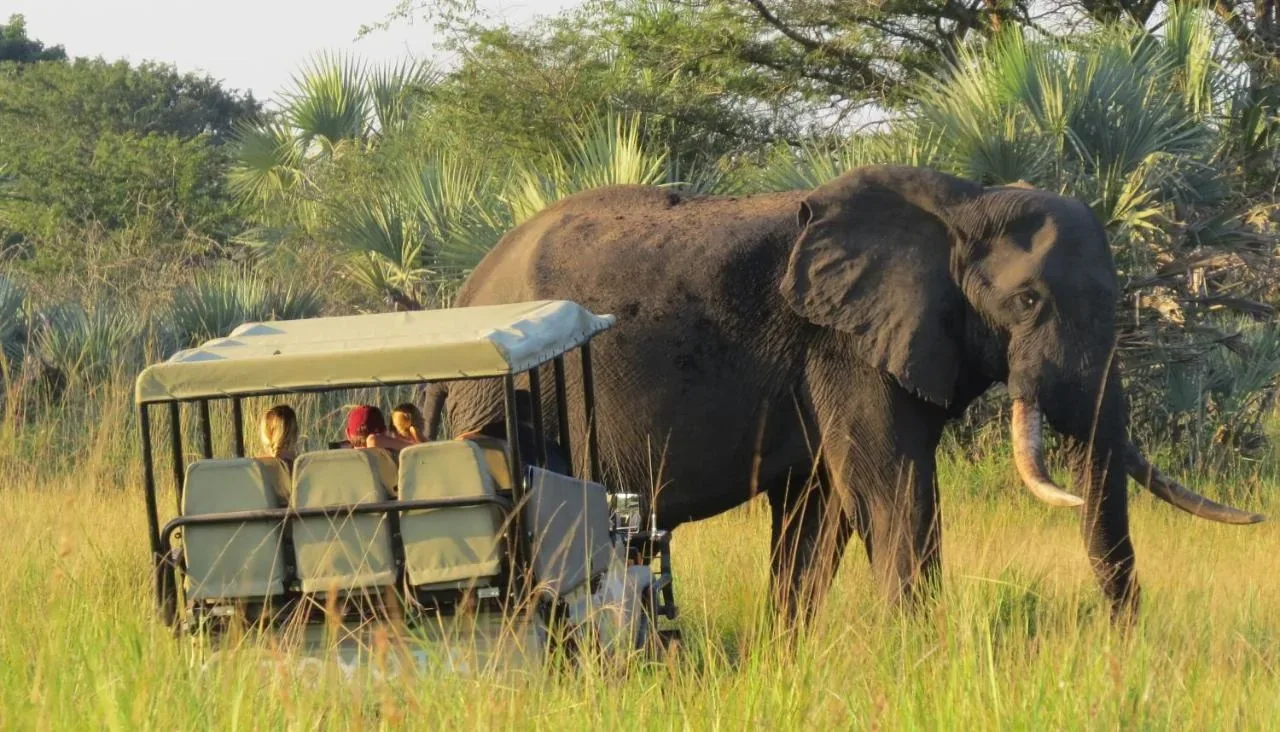
Tembe Elephant Park sits on ancestral Tembe land and is co-managed through relationships between the traditional authority, the community trust and conservation agencies.
Communities living inside and beside iSimangaliso are directly tied to marine conservation, turtle monitoring, tourism work, crafts and local enterprise.
Tembe Elephant Park is the ancestral home of the Tembe people. Peace Parks records that the Tembe tribe own and manage Tembe Elephant Lodge and co-manage the park through a partnership involving the Tembe Traditional Authority, Tembe Community Trust, Ezemvelo KZN Wildlife and conservation partners.
The reserve was established in 1983, partly to protect both elephants and neighbouring communities after conflict between people and elephants moving through the border country.
Tembe is a useful reminder that conservation here is not a story about wilderness without people. Land ownership, livelihoods, wildlife and tourism are all one history.
iSimangaliso and WILDOCEANS have built community resource hubs in Mabibi, KwaDapha and eNkovukeni. Their job goes well beyond visitors: internet access, training, youth employment, sewing, enterprise support, conservation work and local facilities.
Opened in 2023 to provide computer and internet access, training, meeting space, craft and sewing opportunities, youth employment and conservation education.
Part of the Oceans Alive work around the marine protected area, linking training and enterprise development with coastal conservation and tourism.
Follows the same model: community facilities alongside ocean awareness, skills training, micro-enterprise support, crafts and conservation-linked opportunities.
The strongest community experiences are attached to real work and real knowledge: guiding, fishing, food, walking, wildlife, boats and local history.
Guided Kosi fish-kraal trips, community visits, food, coastal walks and experiences built with the people living around the camps.
Boat trips and guided cultural and fish-trap experiences around the Kosi lake system.
Community-owned safari lodge where local employment, guiding and land ownership are part of the visitor story.
Regional guiding that can connect Kosi, wildlife, birding, turtle and cultural experiences into one trip.
iSimangaliso profiles local guide Mthokozisi "Rasta" Nsele, a Kosi-born skipper and nature guide who built his own guiding business.
This page should grow through interviews with guides, fish-kraal families, turtle monitors, cooks, conservation workers and community entrepreneurs, not generic cultural copy.
The aim is not to make things stiff. It's to remember that a community is somebody's home, not scenery laid on for a traveller.
Go with someone invited. Use a local guide, host or operator when entering communities or visiting working places like fish kraals.
Ask before photographing. Especially people, homes, ceremonies, children and people at work. No photograph is worth more than consent.
Pay for knowledge. If somebody is guiding, demonstrating, cooking or explaining the landscape, that is professional work.
Don't stage "authenticity". Everyday life doesn't need to look traditional enough for a visitor. Let people decide what they share.
Buy where the value stays local. Local guides, food, crafts and small businesses keep visitor money in the region.
Ask questions. Names, land, conservation and livelihoods are complicated here. Curiosity is more useful than a fixed story about what Maputaland is.
A local guide or regional tour operator is the difference between moving through Maputaland and understanding it. Use the regional pages to choose where you want to go, then work with a Visit Maputaland member to connect the coast, lakes, wildlife and people.